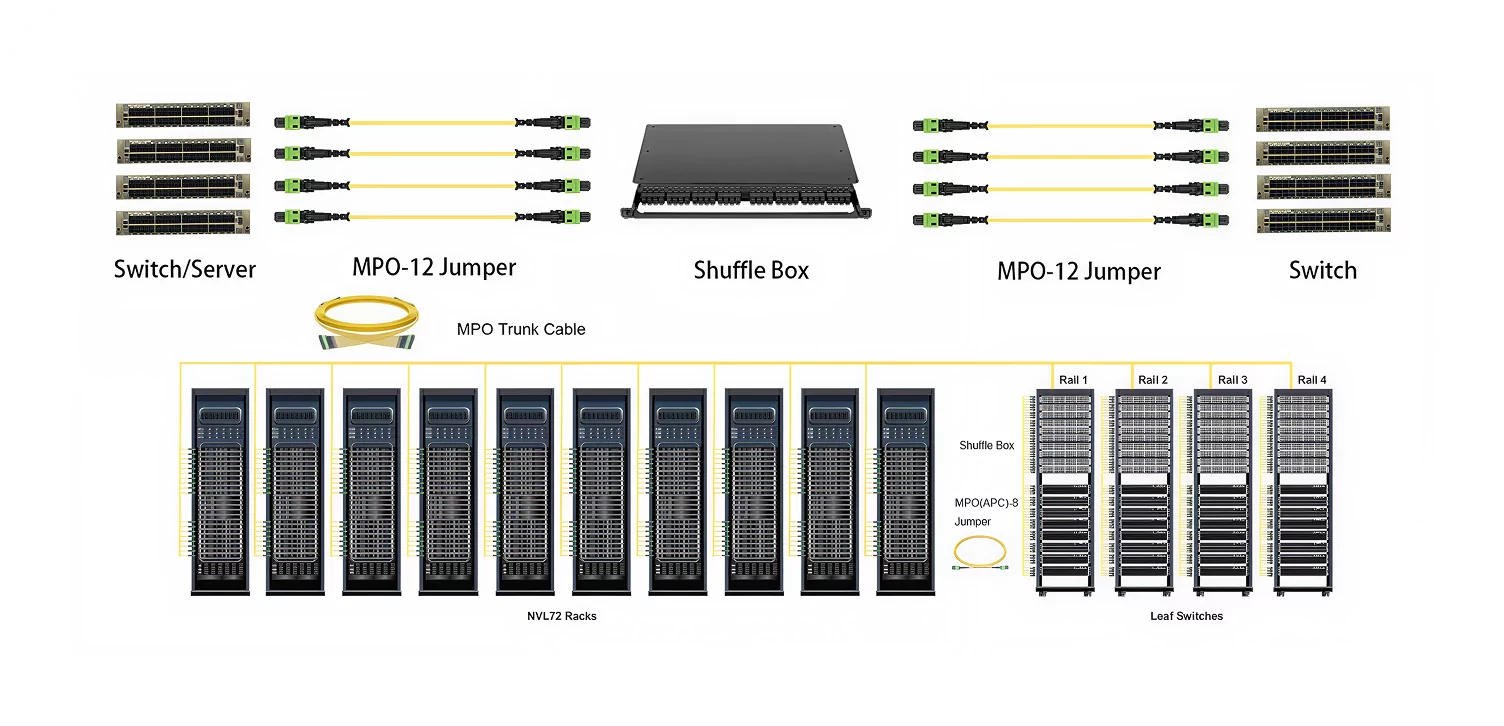





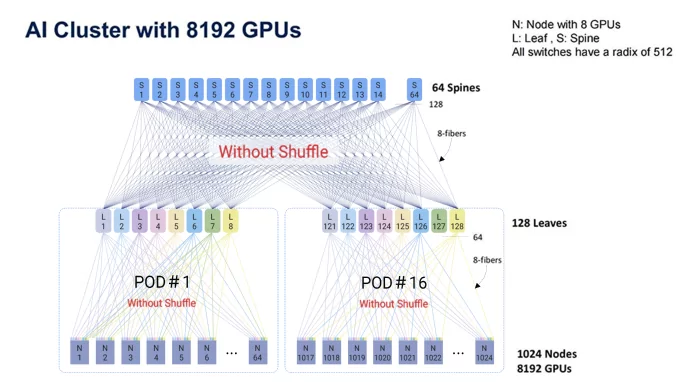

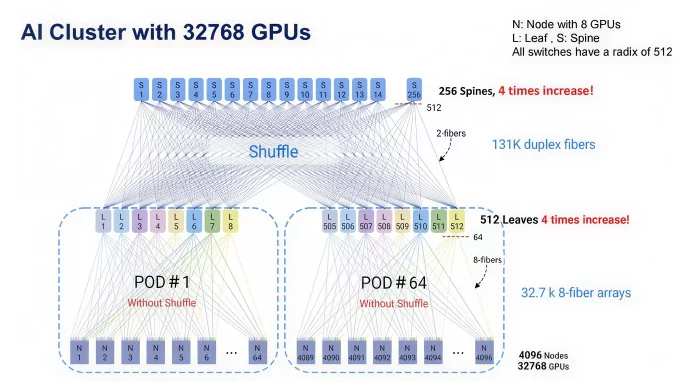
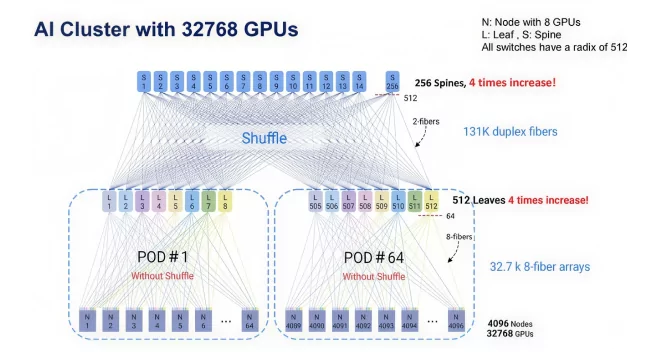


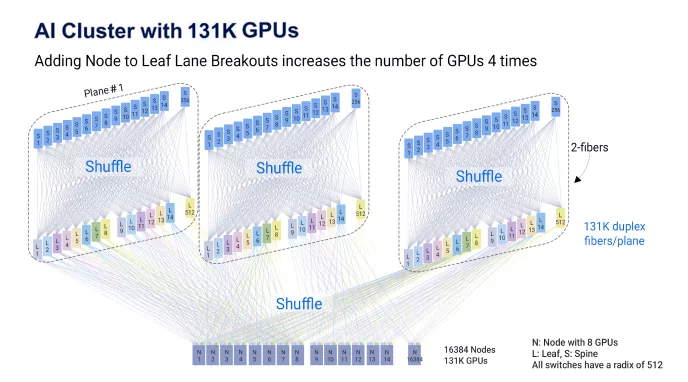
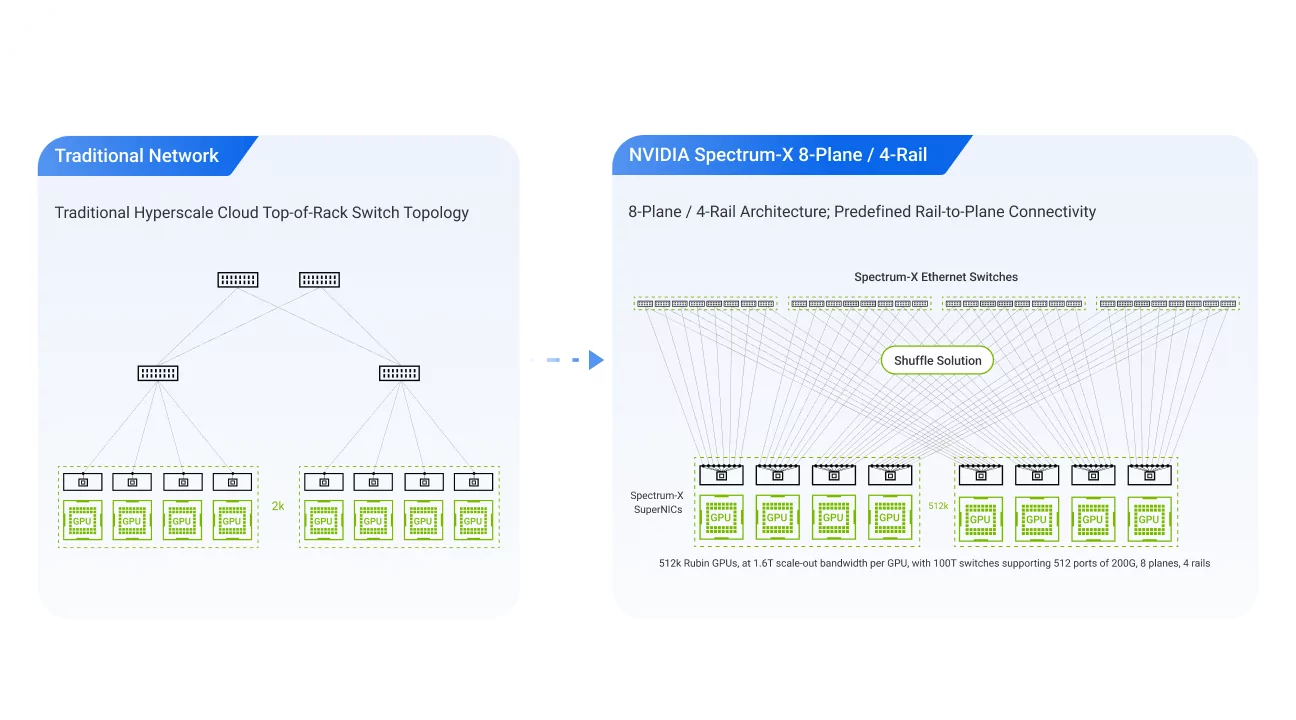
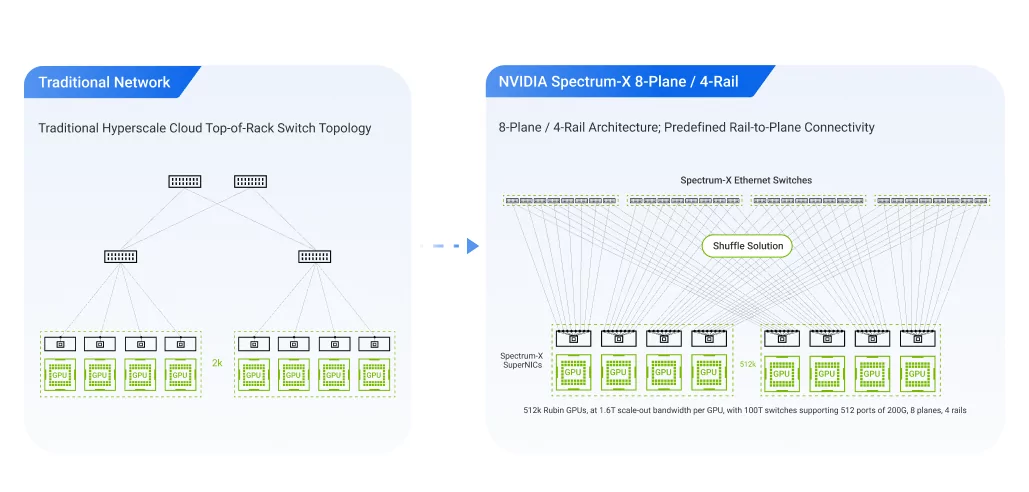

To address the impact of network congestion and tail latency on distributed training efficiency in ultra-scale AI clusters, NVIDIA Spectrum-X Multiplane adopts a topology-parallel architecture with eight physically independent two-tier network planes (Plane 0-7) on the fabric side and four high-bandwidth physical rails (Rail 0-3) on the compute side, enabling distributed traffic and low-latency connectivity.
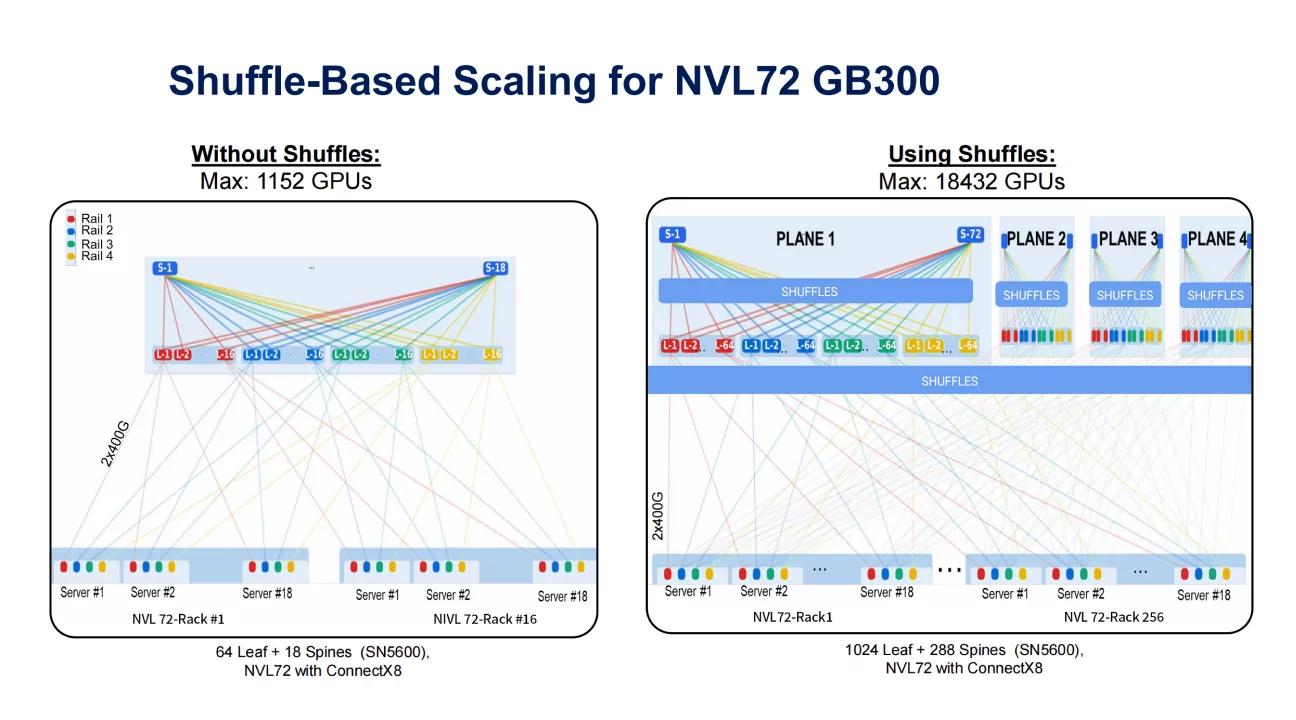
However, in an 8-plane / 4-rail architecture, the four Rails of a single server cannot directly map one-to-one to all eight planes. Complementary Rail-to-Plane connections between servers are required to cover the full set of planes. As the cluster scales, these interleaved connections result in extensive point-to-point cabling, increasing cable management, connection identification, and maintenance complexity.
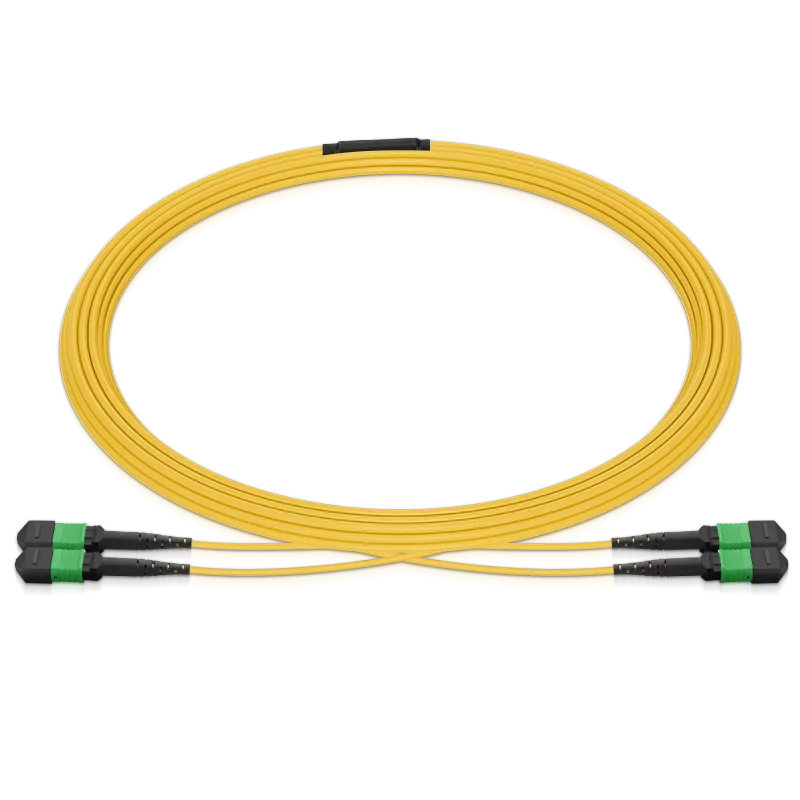
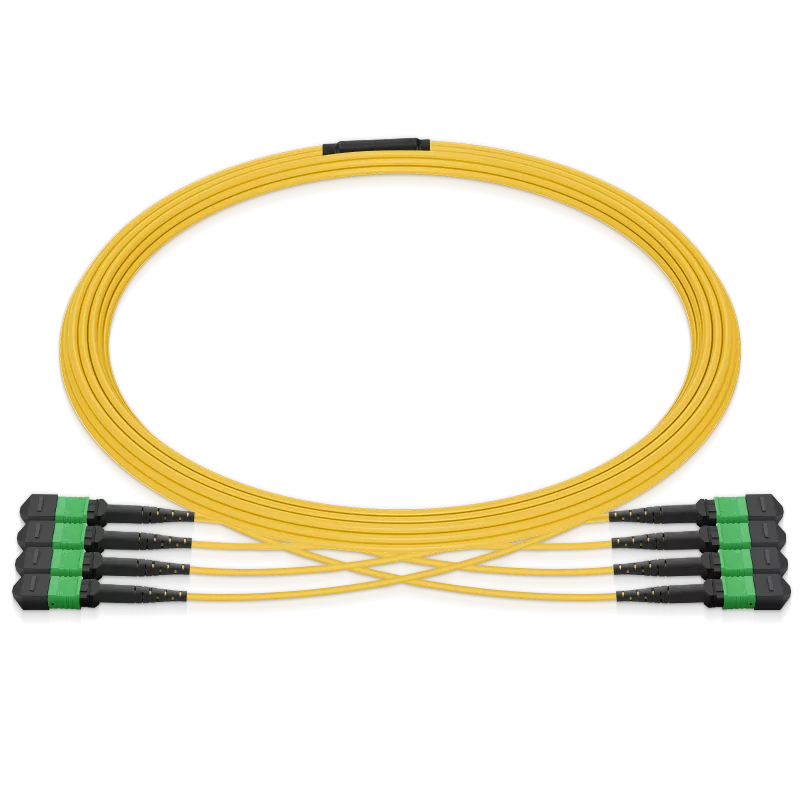
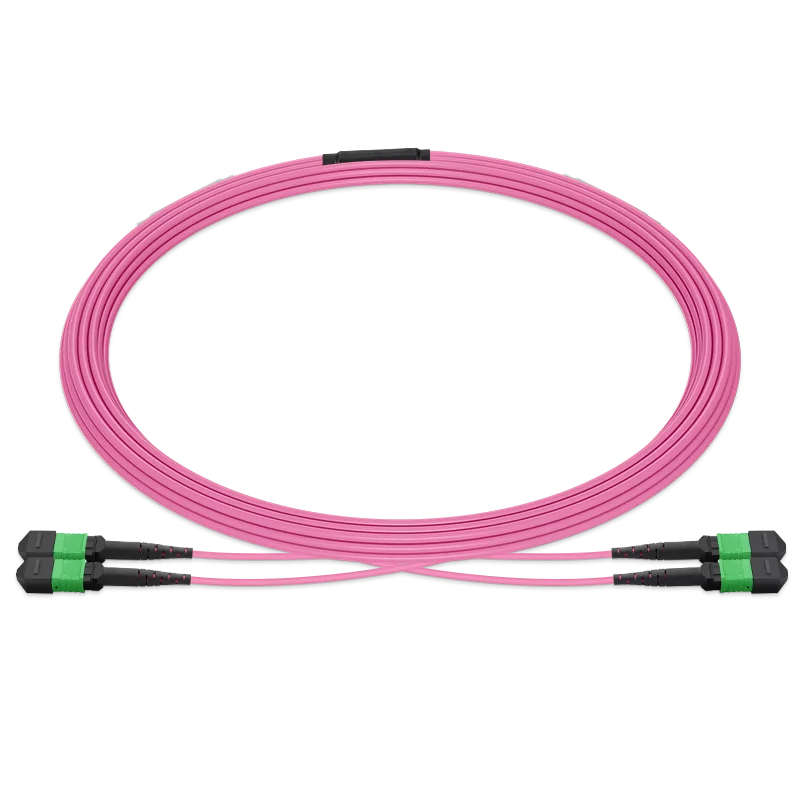
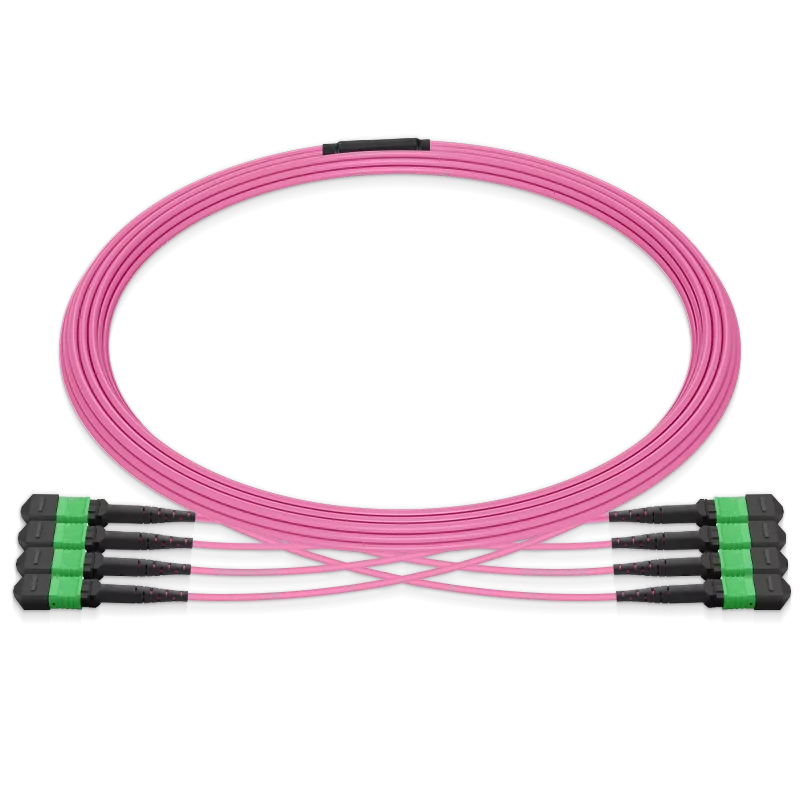
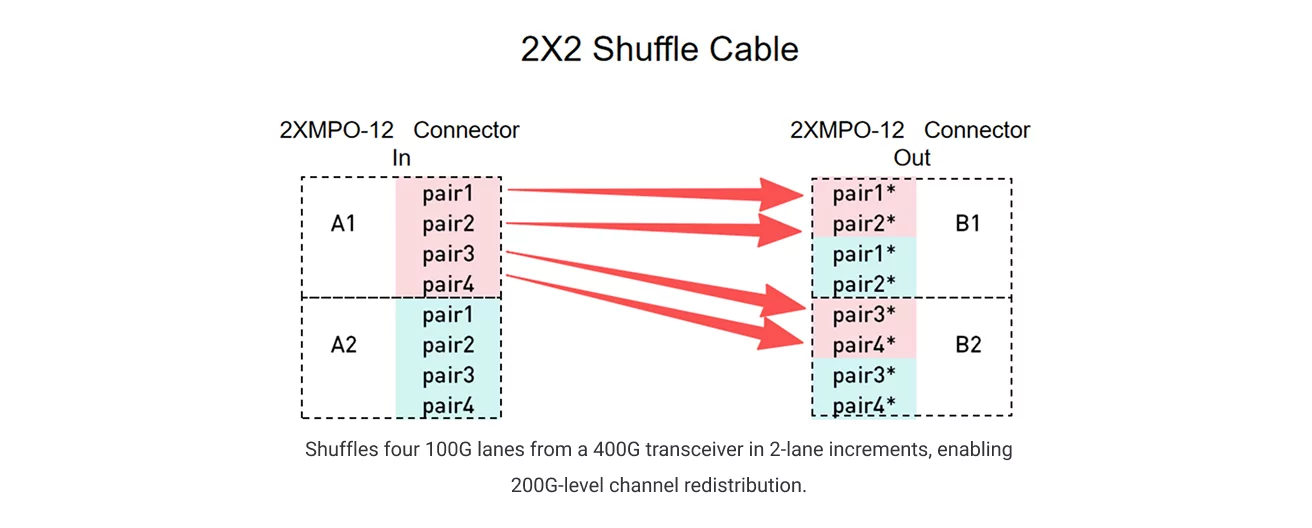
To address this cabling challenge, Dilight provides two Shuffle solutions. The 4×4 Shuffle Cable serves as a standardized physical connectivity unit, combining the four Rails of two servers into two Shuffle Cable assemblies and connecting them to complementary plane groups, such as Plane 0/2/4/6 and Plane 1/3/5/7, to systematically cover all eight planes. Its pre-mapped and integrated design reduces the complexity of numerous individual cables, creating more organized physical connectivity and simplifying installation, identification, and maintenance.
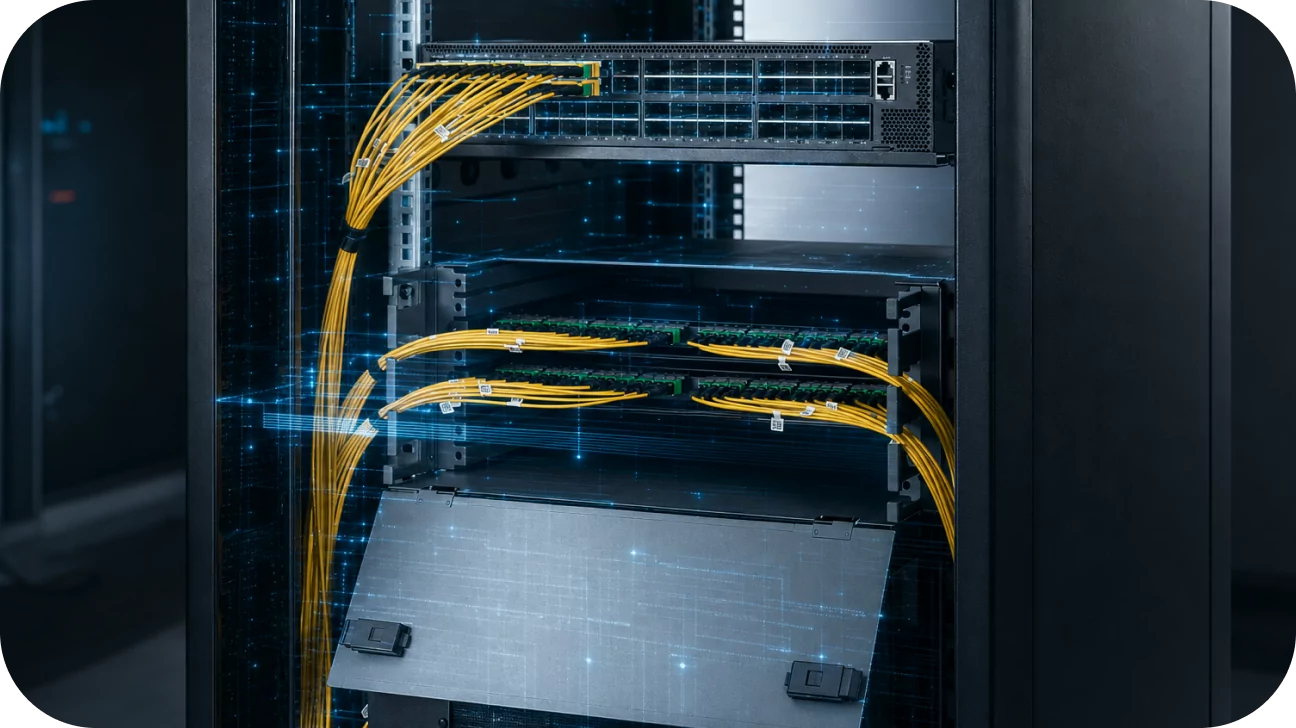
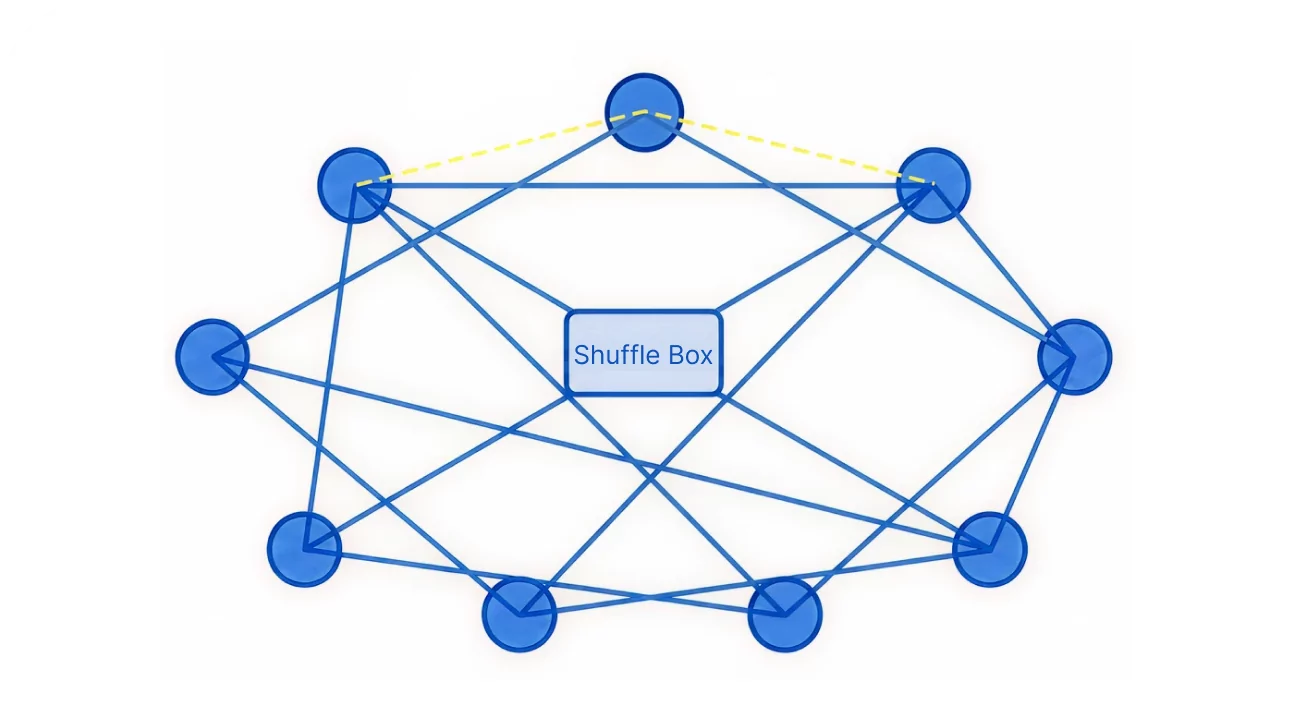
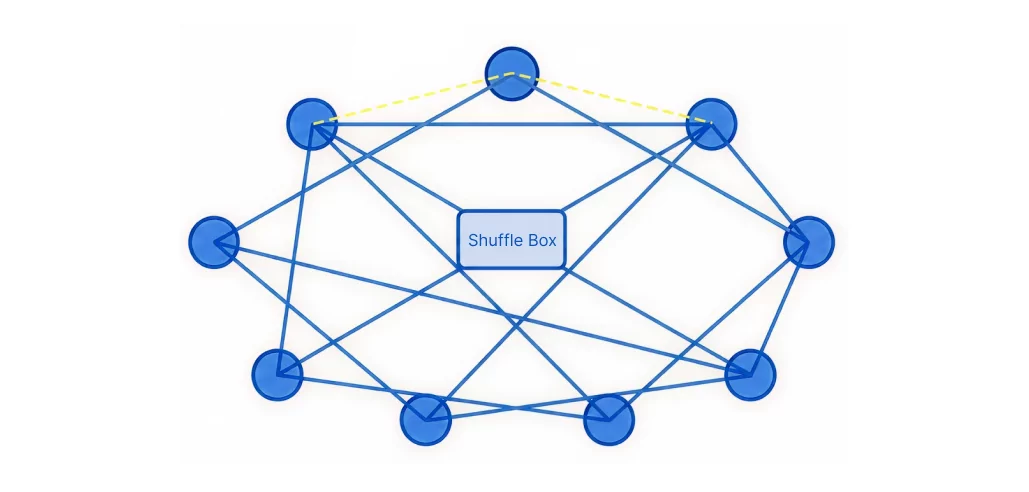
The Shuffle Box encapsulates the complex 8-plane optical mapping within a standard 1U/4U enclosure, with compute nodes connected to the Host side through short jumpers and remote Leaf switches connected to the Fabric side through standard MPO trunk cables. By centralizing the complex interleaving and decoupling compute-side connections from backbone cabling, it reduces cable clutter and simplifies network expansion, equipment relocation, and targeted link maintenance.




 Role:
Role: Application: